
Book Appointment Now

Why Can’t I Get an Erection?
Experiencing the sudden or gradual inability to achieve an erection is a clinical indicator that warrants immediate medical attention.
When patients arrive at our Woodford and Chigwell clinics asking why they simply cant get an erection, our first step is to strip away the anxiety and look at the underlying physiology.
Erectile dysfunction is rarely a standalone condition; it is a neurovascular event that relies on a perfectly synchronized physiological cascade.
The Physiology of an Erection
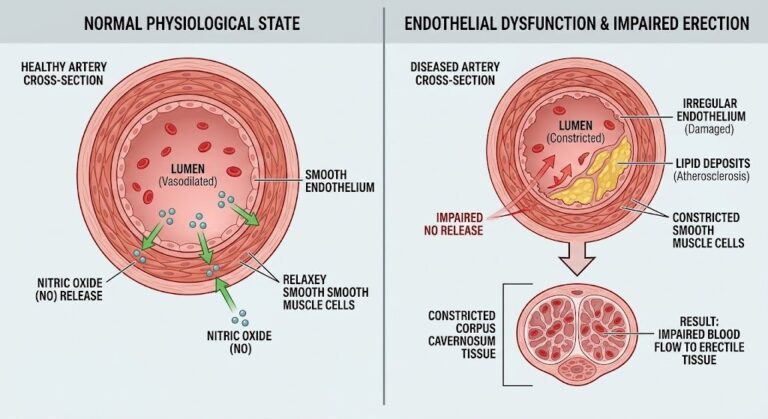
To understand the root of erection difficulty, we must examine the biological mechanics. An erection begins in the central nervous system. Arousal triggers the release of nitric oxide in the blood vessels of the penis. This chemical messenger stimulates the production of cyclic GMP, causing the smooth muscles within the corpus cavernosum (the spongy tissue of the penis) to relax.
As these muscles relax, the cavernosal arteries dilate, allowing a rapid influx of blood. Finally, the expanding tissue presses against the subtunical venules, trapping the blood to maintain rigidity—a process known as veno-occlusion. A breakdown at any single point in this neurovascular sequence results in erectile dysfunction.
Decoding Your Symptoms
Evaluating new patients for ed problems, the timeline of symptom onset provides our clinical team with critical diagnostic clues. The rate at which erectile function declines often dictates the underlying pathology.
Vascular Health & Endothelial Dysfunction
A progressive decline in erectile firmness over months or years is a classic hallmark of organic erectile dysfunction. This gradual deterioration usually points to endothelial dysfunction—the failure of the inner lining of blood vessels to function optimally.
Because the penile arteries are significantly smaller than the coronary arteries (1–2mm versus 3–4mm), vascular blockages often manifest as erectile dysfunction three to five years before a major cardiovascular event.
Psychological Factors & Acute Triggers
If erectile function halts completely overnight, the underlying mechanism is frequently psychological, neurological, or chemically induced. Sudden onset often correlates with acute stress, a traumatic life event, or the introduction of a new prescription medication.
The presence of normal nocturnal penile tumescence (morning wood) in these cases confirms that the physical neurovascular pathways remain intact.
5 Primary Medical Causes of Erectile Dysfunction
Through comprehensive diagnostic assessments, we routinely trace erectile dysfunction causes to five primary medical pathways.
1. Cardiovascular Disease and Arterial Insufficiency (Vasculogenic ED)
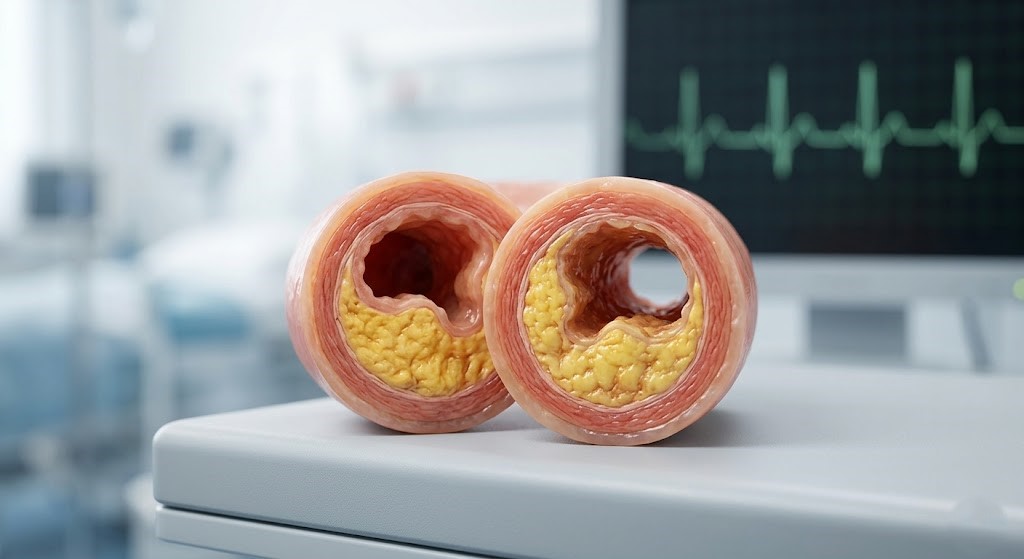
The most common physical cause of ED is atherosclerosis, the hardening and narrowing of the arteries.
When plaque restricts blood flow, the cavernosal arteries cannot dilate sufficiently to engorge the penile tissue. Hypertension, elevated cholesterol, and Type 2 Diabetes accelerate this microvascular damage.
2. Veno-Occlusive Dysfunction
Arterial insufficiency means blood cannot enter the penis; veno-occlusive dysfunction means blood cannot stay in.
If the smooth muscle of the corpus cavernosum fails to relax fully, or if structural tissue damage exists, the subtunical veins remain open. The patient may achieve an initial erection but will lose rigidity rapidly during intercourse.
3. Neurological Conditions and Pelvic Nerve Damage
The brain must successfully transmit arousal signals to the pelvic nerve network. Conditions such as multiple sclerosis, Parkinson’s disease, or diabetic neuropathy disrupt this communication.
Additionally, trauma or surgical interventions in the pelvic region, such as radical prostatectomies, can physically sever or damage the delicate cavernous nerves.
4. Hormonal Imbalances and Hypogonadism
While less common than vascular issues, clinically low testosterone levels (hypogonadism) dampen libido and reduce the brain’s ability to initiate the erection cascade.
We also evaluate thyroid function and prolactin levels during a comprehensive hormonal workup, as abnormalities here can suppress sexual function.
5. Prescription Medication Side Effects
Many common pharmaceuticals directly interfere with the nitric oxide pathway or alter central nervous system signaling.
Beta-blockers used for high blood pressure, SSRI antidepressants, and certain diuretics are frequent culprits behind medically induced erectile failure.
Psychological Element
The brain is the primary sex organ. Chronic stress, depression, or acute performance anxiety triggers the release of cortisol and adrenaline. These stress hormones are potent vasoconstrictors.
When adrenaline spikes in the bloodstream, it actively forces the smooth muscles in the penile arteries to contract, physically overriding the parasympathetic nervous system’s attempt to initiate an erection.
This creates a negative feedback loop, where one instance of erection failure causes anxiety that guarantees subsequent failures.
When to Seek a Clinical ED Evaluation
Experiencing an occasional failure to achieve an erection is a normal physiological response to fatigue or alcohol consumption. However, persistent ed symptoms lasting more than a few weeks require clinical evaluation.
Red flag symptoms include the complete loss of nocturnal erections, a progressive inability to maintain rigidity, or co-occurring signs of cardiovascular distress such as shortness of breath or chronic fatigue. Ignoring these signs can leave progressive underlying conditions unchecked.
Getting the Right Diagnosis
Self-diagnosing erectile dysfunction through internet research often leads to a cycle of trial and error with ineffective treatments. Accurately identifying whether you are suffering from arterial insufficiency, a venous leak, or a combination of neurovascular factors requires specialized medical assessment.
At Vital Wave, our clinical focus is on diagnosing the specific origin of your vascular breakdown and implementing evidence-based regenerative protocols, such as focused shockwave therapy, to restore natural blood flow.
If you are experiencing progressive or sudden erection loss, you need accurate, clinical answers. Take the first step toward recovery by scheduling an evaluation for expert ed help with our dedicated medical team.